Key Takeaways
- Varicose veins are often harmless, but in some cases, they may require medical attention.
- Symptoms like pain, swelling, or skin changes can indicate that varicose veins need treatment.
- Early assessment can help prevent complications such as ulcers or blood clots.
- Treatment decisions should be based on symptoms, risks, and medical evaluation, not just appearance.
What Are Varicose Veins and Why Do They Occur?
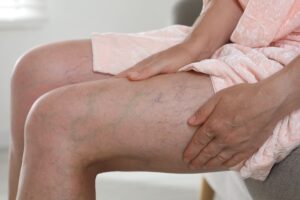
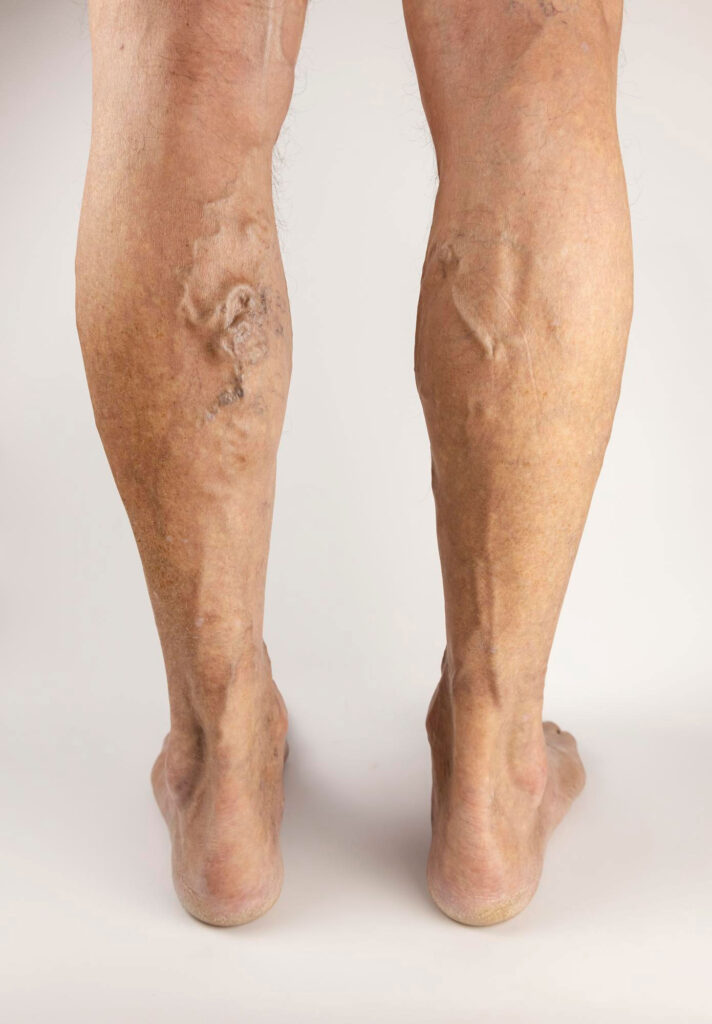
Varicose veins are enlarged, twisted veins that commonly appear on the legs. They develop when the valves inside the veins weaken, causing blood to flow backwards and pool. This leads to visible swelling and sometimes discomfort.
While many people view them as a cosmetic concern, varicose veins can also reflect underlying vein issues. Understanding whether varicose veins need treatment depends on how they affect your daily life and health.
Can Varicose Veins Be Left Untreated?
In some cases, yes, varicose veins can be left alone if they are not causing symptoms or complications. However, this depends on individual circumstances.
You may not need immediate treatment if,
- There is no pain or discomfort
- Swelling is minimal
- Skin changes are absent
- Daily activities are not affected
That said, even mild cases should be monitored. Over time, symptoms can progress, and what seems minor today may require attention later.
When Do Varicose Veins Need Treatment?
There are situations where varicose veins need treatment to prevent worsening or complications. It is advisable to seek medical advice if you notice,
- Persistent aching or heaviness in the legs
- Swelling in the ankles or feet
- Burning or throbbing sensations
- Itching around the veins
- Skin discolouration or thickening
- Non-healing wounds or ulcers near the ankles
These signs may indicate chronic venous insufficiency, where blood flow in the veins is not functioning effectively.
What Are the Risks of Ignoring Varicose Veins?
Leaving symptomatic varicose veins untreated can sometimes lead to complications. While not everyone will experience these, it is important to be aware of potential risks,
- Skin Changes- Darkening or hardening of the skin around the veins
- Venous Ulcers- Open sores that can be slow to heal
- Bleeding- Veins close to the skin surface may bleed if injured
- Blood Clots- In some cases, inflammation or clotting can occur in superficial veins
Early evaluation helps reduce the likelihood of these issues developing.
What Treatment Options Are Available?
If varicose veins need treatment, several options may be considered based on severity and symptoms. These can include,
- Lifestyle Measures: Regular exercise, leg elevation, and weight management
- Compression Stockings: To support blood flow in the legs
- Minimally Invasive Procedures: Techniques that close or remove affected veins
A doctor will assess your condition and recommend suitable options tailored to your needs.
Frequently Asked Questions
- Are varicose veins dangerous?
Most varicose veins are not dangerous, but some cases may lead to complications if symptoms are present and left untreated. - Can exercise help varicose veins?
Yes, regular physical activity can improve circulation and help manage mild symptoms. - Do varicose veins go away on their own?
Varicose veins do not usually disappear without treatment, although symptoms may be managed with lifestyle changes. - When should I see a doctor for varicose veins?
You should consider medical advice if you experience pain, swelling, skin changes, or any worsening symptoms.
Should You Seek Medical Advice for Varicose Veins?
Deciding whether varicose veins need treatment is not always straightforward. While some cases remain stable, others may progress quietly over time. A proper assessment can help you understand your condition and the options available.
If you are unsure about your symptoms or noticing changes in your legs, consider arranging a consultation at Dr. TT Lim Cardiology Clinic. Our doctors, Dr. Lim Tai Tian and Dr. Peter Chang can provide a thorough evaluation and guide you on appropriate next steps based on your individual condition.
Taking that first step can help you make informed decisions about your vascular health.