- +65 6737 9195
- +65 6737 9195
- appointment@cardiology-clinic.com
- Paragon #17-10 Lift Lobby F 290 Orchard Road Singapore 238859
Vascular Conditions
Vascular Conditions
Vascular conditions affect the body’s network of blood vessels, the arteries that carry oxygen-rich blood from the heart, and the veins that return it. When these vessels become narrowed, blocked, or weakened, it can lead to circulation problems that impact not just the legs, but the entire cardiovascular system.
At TTLim Heart Clinic in Singapore, our cardiologists provide comprehensive evaluation and management of both arterial and venous diseases, helping patients maintain healthy blood flow and reduce the risk of complications.

What it is:
Peripheral Artery Disease occurs when fatty deposits (plaque) build up in the arteries of the legs, reducing blood flow. This can cause pain, cramping, or fatigue during walking, a condition known as claudication.
Why it matters:
PAD is not just a leg problem; it’s a warning sign of widespread arterial disease that may also affect the heart and brain. Early diagnosis through tests such as ankle-brachial index or ultrasound helps prevent serious complications like ulcers or gangrene.

What it is:
DVT occurs when a blood clot forms in a deep vein, often in the leg. The affected area may feel swollen, warm, or painful.
Why it matters:
If left untreated, a clot can travel to the lungs, causing a potentially life-threatening condition called pulmonary embolism. Prompt evaluation and anticoagulant treatment help reduce this risk.
When to seek medical help:
If you experience unexplained leg swelling, pain, or redness, especially after long travel or immobilisation, seek medical attention immediately.
What it is:
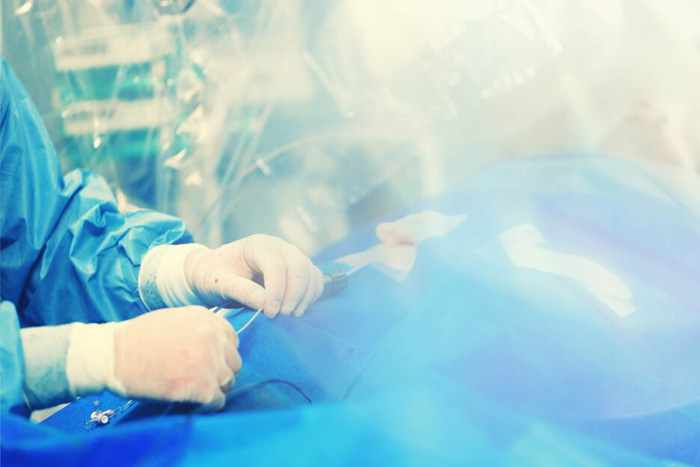
A pulmonary embolism happens when a blood clot travels to the lungs and blocks blood flow. It may cause sudden breathlessness, chest pain, or coughing up blood.
Why it matters:
This is a medical emergency that requires immediate hospital care. Diagnosis is confirmed through imaging tests such as CT pulmonary angiography.
Managing PE focuses on restoring circulation and preventing new clots through medications and long-term monitoring.
What it is:
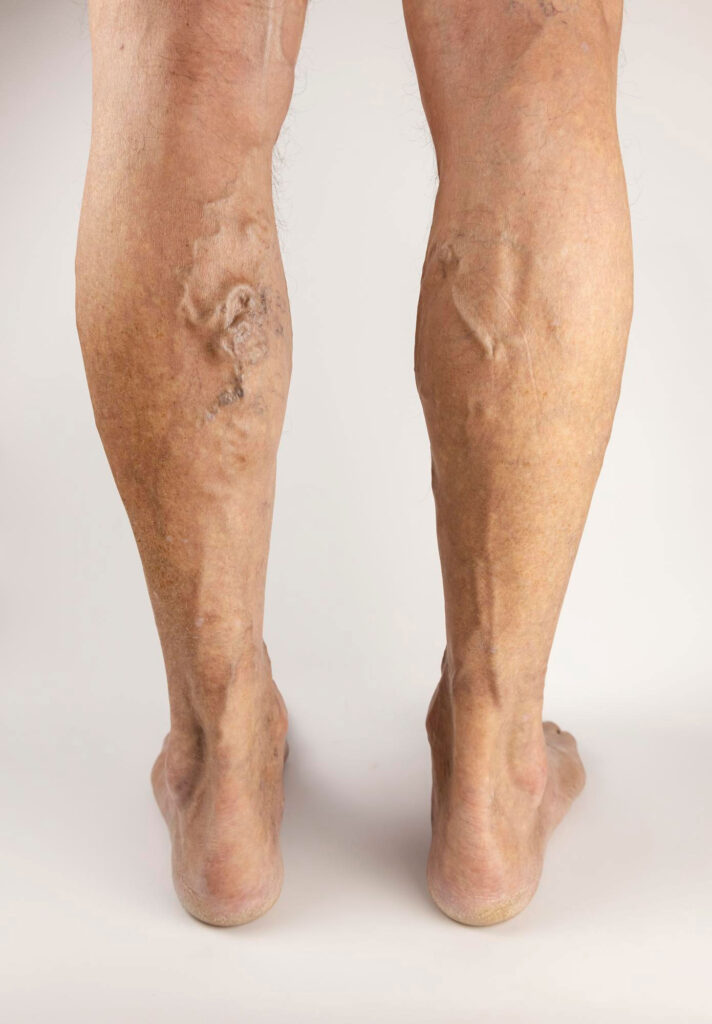
Varicose veins are enlarged, twisted veins that often appear on the legs. They develop when vein valves become weak or damaged, causing blood to pool.
Symptoms may include:
- Aching or heaviness in the legs
- Visible bulging veins
- Swelling around the ankles
Treatment options:
Lifestyle adjustments such as leg elevation, compression stockings, and regular exercise may help. In more persistent cases, minimally invasive procedures can relieve symptoms and improve blood flow.
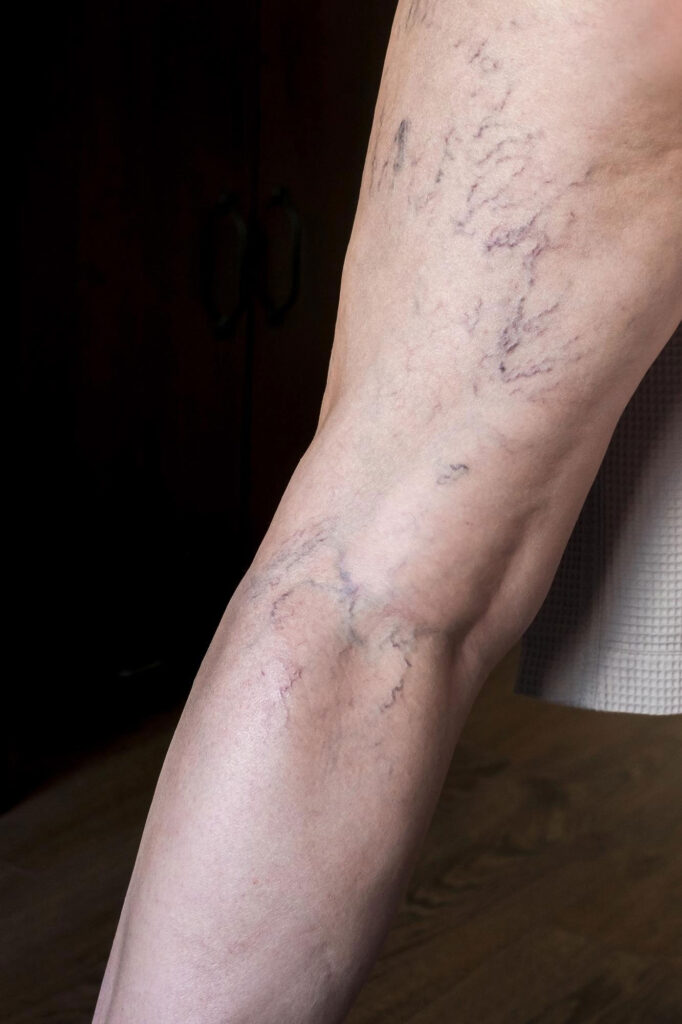
What it is:
CVI occurs when the veins in the legs cannot effectively return blood to the heart. This long-term condition can cause swelling, skin changes, or venous ulcers.
What helps:
Early management focuses on improving circulation, through compression therapy, leg elevation, and guided exercise.
In more advanced stages, further evaluation by a vascular specialist can help determine if interventional treatment is needed.
When to See a Cardiologist or Vascular Specialist
If you notice leg pain, swelling, skin discoloration, or visible veins that do not improve with rest, it’s important to get your circulation checked. Early diagnosis and appropriate management can prevent complications and protect your overall heart health.
Book Your Vascular Health Assessment in Singapore
If you are experiencing symptoms such as leg discomfort, swelling, or visible veins, consult our cardiologists at TTLim Heart Clinic.
We provide comprehensive assessment and management of vascular conditions to help you maintain healthy blood flow and reduce cardiovascular risk.
- Paragon #17-10 Lift Lobby F, 290 Orchard Road, Singapore 238859