What Are Varicose Veins?
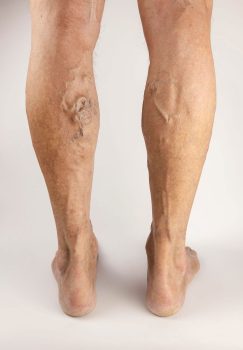
Varicose veins are enlarged, twisted veins that usually appear on the legs or feet. They develop when the tiny one-way valves inside veins become weak or damaged, allowing blood to flow backward and pool in the vessel. This causes the vein to stretch, bulge, and become more visible under the skin.
While varicose veins are often seen as a cosmetic concern, they can sometimes lead to discomfort, swelling, or more serious circulation issues if not managed properly.
What Do Varicose Veins Look and Feel Like?
Varicose veins are easy to recognise by appearance, thick, rope-like, or bulging veins, usually bluish or purple in colour.
You may also notice symptoms such as:
- Aching or heaviness in the legs
- Swelling around the ankles
- Muscle cramps, especially at night
- Itchy, dry, or darkened skin over the affected area
- Pain that worsens after long periods of standing or sitting
These symptoms tend to worsen throughout the day and may improve with leg elevation or rest.
What Causes Varicose Veins?
Varicose veins occur when vein walls or valves become weak, disrupting normal blood flow. Instead of flowing upward toward the heart, blood collects in the lower parts of the legs.
Common risk factors include:
- Family history of varicose veins
- Prolonged standing or sitting
- Pregnancy and hormonal changes
- Ageing, which weakens vein elasticity
- Obesity or excess body weight
- History of deep vein thrombosis (DVT) or vein injury
Both men and women can develop varicose veins, but they are more common among women due to hormonal influences.
Are Varicose Veins Dangerous?
In most cases, varicose veins are not dangerous but can cause discomfort or lead to complications over time.
If untreated, severe varicose veins may result in:
- Chronic Venous Insufficiency (CVI): Long-term poor blood flow leading to swelling and skin changes.
- Venous ulcers: Slow-healing wounds near the ankles.
- Superficial thrombophlebitis: Inflammation or clotting in surface veins.
For some people, varicose veins may also signal underlying vein problems that require medical assessment.
How Are Varicose Veins Diagnosed?
Your doctor may perform a physical examination of your legs while you’re standing to check for swelling or visible veins.
To assess circulation and rule out deeper vein issues, a Doppler Ultrasound may be used to measure blood flow and valve function.
This simple, non-invasive test helps determine the extent of vein damage and the best treatment approach.
How Are Varicose Veins Treated?
Treatment depends on the severity of symptoms and your overall vein health.
1. Lifestyle and home-based measures
- Elevate your legs when resting
- Avoid standing or sitting for long periods
- Maintain a healthy weight
- Exercise regularly to improve leg circulation
- Wear compression stockings to support blood flow
2. Medical and minimally invasive treatments
If symptoms persist or the veins are significantly enlarged, your doctor may recommend:
- Sclerotherapy: Injecting a special solution to close off small veins.
- Endovenous laser or radiofrequency treatment: Using heat energy to seal faulty veins.
- Minimally invasive vein procedures: Performed under local anaesthesia to remove or close larger veins safely.
These procedures help redirect blood flow to healthier veins, relieving discomfort and improving leg appearance.
Can Varicose Veins Come Back After Treatment?
Recurrence can occur, especially if risk factors such as prolonged standing, obesity, or hormonal changes persist.
Regular follow-up and preventive habits, such as staying active and using compression therapy when needed, help reduce recurrence risk.
When Should You See a Cardiologist or Vascular Specialist?
You should consider medical evaluation if you experience:
- Persistent leg pain, heaviness, or swelling
- Skin discolouration, thickening, or ulceration near the ankles
- Enlarging or painful veins
Early consultation helps prevent complications and ensures appropriate care for both cosmetic and medical concerns.
Frequently Asked Questions (FAQs)
1. Are varicose veins just a cosmetic problem? Not always. While many people seek treatment for appearance, varicose veins can cause discomfort or signal underlying venous insufficiency.
2. Can varicose veins go away on their own? No. Once veins become varicose, they do not return to normal, but symptoms can be managed with lifestyle changes and treatment.
3. Do I need surgery for varicose veins? Not always. Many cases improve with non-surgical treatments like compression therapy or minimally invasive procedures.
4. Can exercise make varicose veins worse? No, gentle, regular exercise such as walking can improve circulation and ease symptoms. Avoid activities that involve heavy straining.
5. How can I prevent varicose veins? Maintain a healthy weight, stay active, elevate your legs regularly, and avoid prolonged standing or sitting.