What Is Sclerotherapy?
Sclerotherapy is a minimally invasive procedure used to treat spider veins and small varicose veins.
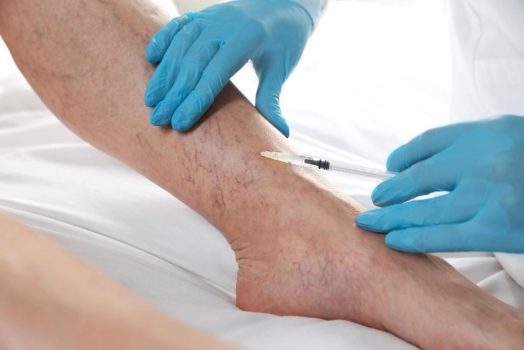
It involves injecting a special medical solution (called a sclerosant) directly into the affected vein. The solution causes the vein wall to close and eventually fade, as blood naturally reroutes to healthier veins.
At TTLim Heart Clinic, sclerotherapy is performed as an outpatient procedure, quick, safe, and effective for both cosmetic and symptomatic improvement.
Why Is Sclerotherapy Done?
Sclerotherapy helps manage vein conditions caused by poor valve function or venous reflux, where blood pools in the legs instead of returning to the heart efficiently.
It is recommended if you have:
- Spider veins (fine, visible veins on the skin’s surface)
- Small varicose veins that cause aching or heaviness
- Residual veins after other vein treatments
- Mild swelling or discomfort from poor circulation
Besides cosmetic improvement, sclerotherapy can relieve minor leg symptoms and prevent further vein enlargement.
Who Is a Good Candidate for Sclerotherapy?
You may be suitable for sclerotherapy if you:
- Have visible spider or small varicose veins
- Do not have active vein inflammation or clotting disorders
- Are not pregnant or breastfeeding
- Want to improve leg comfort and appearance without surgery
Your doctor will evaluate your vein health through ultrasound or clinical examination before recommending the procedure.
How Is Sclerotherapy Performed?
The procedure is done in the clinic and usually takes 20–30 minutes.
Step-by-step overview:
- The affected veins are cleaned and identified.
- A fine needle is used to inject a small amount of sclerosant solution into the vein.
- The solution causes the vein to collapse and close.
- Compression is applied afterward to help blood flow through healthy veins.
Most patients can walk immediately after the procedure and resume normal activities within the same day.
Is Sclerotherapy Painful?
Discomfort is minimal. You may feel a mild tingling or burning sensation at the injection site, but this usually lasts only a few seconds.
No anaesthesia or sedation is needed.
What Can I Expect After Sclerotherapy?
After treatment, you may notice:
- Mild redness, bruising, or tenderness (temporary)
- Gradual fading of treated veins over a few weeks
- Improved leg comfort and lighter sensation
Your doctor may recommend:
- Wearing compression stockings for several days
- Avoiding hot baths or strenuous exercise for 1–2 days
- Walking regularly to improve blood flow
Depending on the number of veins treated, multiple sessions may be required for optimal results.
What Are the Benefits of Sclerotherapy?
- Quick and minimally invasive procedure
- Improves appearance of legs by reducing visible veins
- Relieves mild leg pain or heaviness
- No downtime, resume normal activities immediately
- Safe and effective when performed by trained specialists
It’s one of the most commonly performed vein treatments worldwide due to its simplicity and proven results.
Are There Any Risks?
Sclerotherapy is generally safe, with mild and temporary side effects such as slight bruising or skin discolouration.
Your doctor will discuss potential risks, such as allergic reaction or vein inflammation, and ensure you’re a suitable candidate before proceeding.
Frequently Asked Questions (FAQs)
1. How soon will I see results after sclerotherapy? Most veins fade within 3–6 weeks, although larger veins may take up to three months to disappear completely.
2. Can veins come back after treatment? Treated veins do not return, but new veins can appear over time. Follow-up care helps maintain long-term results.
3. Do I need time off work after sclerotherapy? No. You can walk immediately after the procedure and return to work the same day.
4. How many sessions will I need? It depends on the number and size of veins. Some patients achieve desired results in one session; others may need two or three.
5. Is sclerotherapy safe for all skin types? Yes. The procedure is suitable for all skin tones when performed correctly by an experienced doctor.