
What Is Peripheral Artery Disease?
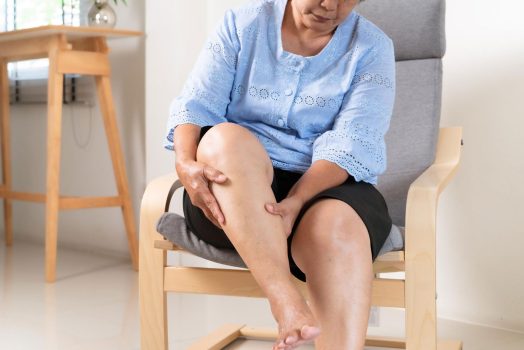
Peripheral Artery Disease (PAD) happens when arteries that carry blood to the legs become narrowed or blocked due to a build-up of fatty deposits, known as plaque. This reduces blood flow and may cause pain, cramping, or fatigue in the legs, especially during walking.
Although PAD mainly affects the legs, it is part of a wider condition called atherosclerosis, a hardening of the arteries that can also increase the risk of heart attack or stroke.
What Are the Common Symptoms of PAD?
Many people with PAD have no symptoms at first. As circulation worsens, you may notice:
- Leg pain or cramping during walking (called claudication)
- Pain in the feet or toes even at rest
- Coldness, numbness, or pale skin on the lower limbs
- Slow-healing wounds or ulcers on the legs or toes
- Weakened pulse in the legs or feet
These symptoms are sometimes mistaken for muscle fatigue or aging, which is why early evaluation is important.
What Causes Peripheral Artery Disease?
PAD is caused by atherosclerosis, the gradual build-up of cholesterol and fatty deposits along the inner walls of arteries. Over time, this narrows the vessels and limits blood flow.
Risk factors include:
- Smoking
- Diabetes
- High blood pressure
- High cholesterol
- Family history of heart or vascular disease
- Increasing age (especially over 60)
These factors also raise your risk for coronary artery disease and stroke.
How Do Doctors Diagnose PAD?
Your cardiologist may recommend several tests to check for reduced blood flow:
- Ankle-Brachial Index (ABI): Compares blood pressure in the ankles and arms to detect blockages.
- Doppler Ultrasound: Uses sound waves to evaluate the flow of blood in the arteries.
- CT or MR Angiography: Imaging tests that provide detailed pictures of narrowed or blocked arteries.
These tests help determine the severity of PAD and guide your treatment plan.
How Is Peripheral Artery Disease Treated?
Treatment for PAD aims to improve blood flow, relieve symptoms, and prevent complications such as heart attack or stroke.
1. Lifestyle management
- Quit smoking
- Eat a balanced, heart-healthy diet
- Exercise regularly (walking programmes are especially helpful)
- Keep diabetes, cholesterol, and blood pressure under control
2. Medications
- Blood thinners (antiplatelet drugs) to reduce clot risk
- Medications to control cholesterol or blood pressure
- Drugs to improve walking distance and leg comfort
3. Minimally invasive procedures
If blockages are severe, your doctor may suggest:
- Angioplasty: Inserting a balloon to open a narrowed artery
- Stent placement: Keeping the artery open to restore blood flow
Can You Live Normally With PAD?
Yes, with early detection and consistent management. Regular walking, a healthy diet, and medical treatment can help control symptoms and improve quality of life.
People with PAD are also advised to monitor their heart health closely, as the same process that affects the leg arteries may also affect the heart and brain.
When Should You See a Cardiologist?
See a cardiologist if you:
- Feel leg pain, cramps, or heaviness during activity
- Notice slow-healing wounds on your feet or toes
- Have diabetes, smoke, or already have heart disease
Early diagnosis helps prevent serious complications such as ulcers, infection, or tissue damage.
Frequently Asked Questions (FAQs)
1. Is Peripheral Artery Disease life-threatening? PAD itself is not always life-threatening, but it increases the risk of heart attack, stroke, and serious limb complications if untreated.
2. What’s the difference between PAD and varicose veins? PAD affects arteries (carrying blood away from the heart), while varicose veins affect veins (carrying blood back to the heart).
3. Can PAD be prevented? Yes. Quitting smoking, exercising regularly, and maintaining healthy cholesterol and blood pressure levels can lower your risk.
4. Does PAD only affect older adults? PAD is more common with age, but younger people with risk factors like diabetes or smoking can also develop it.
5. What happens if PAD is left untreated? Severe PAD can lead to critical limb ischemia, reduced blood flow that causes pain at rest, ulcers, or even tissue loss.