
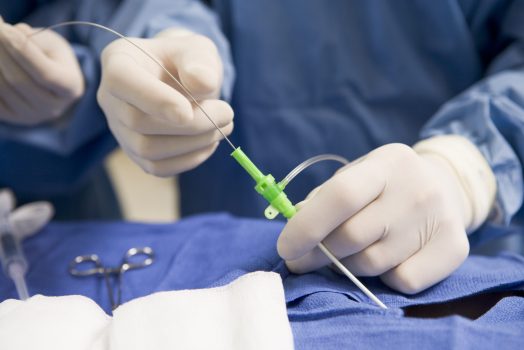
What Are Endovascular Interventions?
Endovascular Interventions are minimally invasive procedures performed inside the blood vessels to treat narrowed or blocked arteries and veins.
They are often used to improve circulation in patients with Peripheral Artery Disease (PAD) or arterial blockages caused by plaque build-up (atherosclerosis).
Instead of traditional open surgery, these procedures use thin catheters inserted through a small puncture in the skin, guided by imaging to reach the affected vessel safely.
Why Are Endovascular Procedures Needed?
When arteries become blocked, blood cannot flow properly to the legs, heart, or other organs. This can lead to symptoms such as:
- Leg pain or cramping when walking (claudication)
- Coldness or numbness in the feet
- Slow-healing wounds on the legs or toes
- Tissue damage due to lack of oxygen
If left untreated, severe blockages can cause complications such as ulcers, gangrene, or even limb loss.
Endovascular procedures help reopen the arteries and restore circulation, often avoiding the need for open surgery.
What Conditions Can Be Treated With Endovascular Interventions?
Endovascular techniques can be used to treat a range of vascular conditions, including:
- Peripheral Artery Disease (PAD)
- Carotid artery narrowing (to reduce stroke risk)
- Renal artery stenosis (narrowing of kidney arteries)
- Blocked leg arteries
- Post-stent or post-bypass complications
What Are the Common Types of Endovascular Procedures?
1. Angioplasty
A small balloon at the tip of a catheter is inflated inside the narrowed artery to widen it and improve blood flow.
2. Stent Placement
After angioplasty, a tiny metal mesh tube (stent) may be placed to keep the artery open and prevent it from narrowing again.
3. Atherectomy
In some cases, special devices are used to remove hardened plaque buildup from the arterial wall, restoring smoother blood flow.
These techniques are often performed together, depending on the extent and location of blockage.
How Is an Endovascular Procedure Performed?
The procedure is done in a specialised cardiac or vascular lab under imaging guidance.
During the procedure:
- A small incision is made, usually in the groin or wrist.
- A thin catheter is inserted into the blood vessel.
- Imaging such as fluoroscopy (live X-ray) guides the catheter to the site of blockage.
- A balloon, stent, or other tool is used to restore blood flow.
- The catheter is removed, and the puncture site is bandaged.
Most patients can go home the same day or after a short observation period.
Is an Endovascular Procedure Safe?
Yes. Endovascular procedures are considered safe and effective alternatives to open surgery.
As with all medical treatments, your doctor will explain potential risks, such as bleeding or vessel injury, and ensure the benefits outweigh them in your case.
What Are the Benefits of Endovascular Treatment?
- Minimally invasive: Small puncture instead of large incision
- Faster recovery: Most patients resume normal activity within days
- Less pain and scarring
- Shorter hospital stay
- Effective symptom relief from poor circulation
These advantages make endovascular therapy a preferred option for many patients with vascular disease.
How Long Is Recovery After the Procedure?
Recovery is typically quick. You may need to avoid heavy lifting for a few days, but light activities can usually resume within 24–48 hours.
Your doctor will prescribe medications to support healing and prevent future blockages.
Frequently Asked Questions (FAQs)
1. Is endovascular treatment the same as angioplasty? Angioplasty is one type of endovascular procedure. Other forms include stenting and atherectomy.
2. Do I need to stay overnight after the procedure? Most patients can return home the same day unless additional monitoring is required.
3. How soon will I feel improvement? Many patients notice relief from leg pain or heaviness within days, once blood flow improves.
4. Are results permanent? Results are long-lasting, but maintaining a healthy lifestyle, including regular exercise and controlling cholesterol, helps prevent recurrence.
5. What’s the difference between endovascular and open vascular surgery? Endovascular procedures are performed through tiny punctures using catheters, while open surgery involves larger incisions and longer recovery time.