Have you ever felt like your heart suddenly skipped a beat, fluttered, or started racing for no obvious reason? While heart palpitations are often harmless and temporary, they can sometimes point to an underlying heart condition that needs medical attention. Knowing the difference can help you decide when to monitor your symptoms and when to seek professional advice.
Key Takeaways
- Heart palpitations are common and are not always a sign of heart disease.
- Everyday factors like stress, caffeine, and lack of sleep can trigger palpitations.
- Palpitations accompanied by chest pain, fainting, or breathlessness should be assessed promptly.
- A cardiologist can identify the underlying cause and recommend appropriate management based on your symptoms and medical history.
What Are Heart Palpitations?
Heart palpitations refer to the sensation of being unusually aware of your heartbeat. You may notice that your heart is,
- Racing
- Pounding
- Fluttering
- Skipping beats
- Beating irregularly
These sensations may last for a few seconds or several minutes and can occur while resting, exercising, or during emotional stress. In many cases, they are temporary and resolve without treatment.
When Are Heart Palpitations Usually Harmless?
Many episodes of heart palpitations are linked to everyday lifestyle factors rather than a heart condition. Common harmless triggers include,
- Drinking too much coffee, tea, or energy drinks
- Emotional stress or anxiety
- Lack of sleep
- Dehydration
- Intense physical exercise
- Smoking
- Alcohol consumption
- Certain medications, including some cold or asthma medicines
If your palpitations occur occasionally, disappear quickly, and are not accompanied by other concerning symptoms, they may simply be your body’s response to one of these triggers.
Keeping a record of when they happen can help identify possible patterns.
When Could Heart Palpitations Be a Warning Sign?
Sometimes, heart palpitations may indicate an underlying heart rhythm disorder (arrhythmia) or another medical condition that requires assessment. You should arrange a medical evaluation if your palpitations,
- Occur frequently or become more persistent
- Last for several minutes or longer
- Happen without an obvious trigger
- Become more noticeable over time
- Occur during light activity or while resting
Seek urgent medical attention if palpitations occur together with,
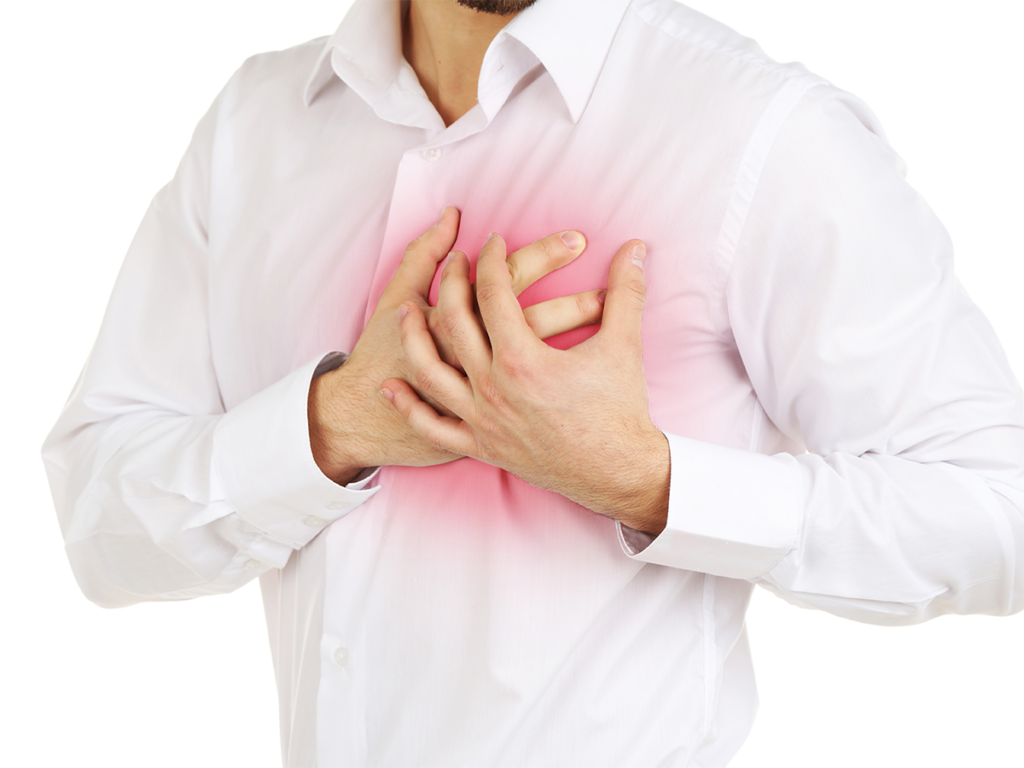
- Chest pain or chest discomfort
- Shortness of breath
- Dizziness
- Fainting or near-fainting
- Severe weakness
- Persistent rapid heartbeat that does not settle
These symptoms may require prompt medical assessment.
What Conditions Can Cause Heart Palpitations?
While lifestyle factors are common causes, other medical conditions may also contribute. These include,
- Heart rhythm disorders (arrhythmias)
- High blood pressure
- Coronary artery disease
- Thyroid disorders
- Anaemia
- Electrolyte imbalances
- Hormonal changes, including menopause
- Certain prescription medications
A proper evaluation helps determine whether your palpitations are related to the heart or another health condition.
How Are Heart Palpitations Diagnosed?
A cardiologist will recommend investigations based on your symptoms, medical history, and examination findings. These may include,
- Electrocardiogram (ECG)
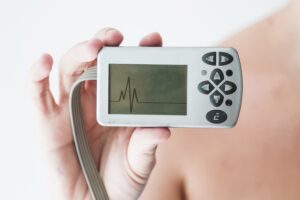
- Holter monitor or wearable heart rhythm monitor
- Echocardiogram
- Exercise stress test
- Blood tests to check thyroid function, anaemia, or electrolyte levels
Not every patient requires every test. The investigations depend on the individual’s symptoms and clinical assessment.
Can Heart Palpitations Be Prevented?
In many people, simple lifestyle adjustments can reduce episodes of palpitations. Helpful habits include,
- Limiting caffeine and alcohol intake
- Staying well hydrated
- Getting adequate sleep
- Managing stress through relaxation techniques
- Avoiding smoking
- Exercising regularly according to your doctor’s advice
- Taking medications exactly as prescribed
If an underlying heart condition is identified, your cardiologist will discuss suitable treatment options based on your diagnosis.
Frequently Asked Questions
Are heart palpitations always related to heart disease?
No. Many cases are linked to stress, caffeine, dehydration, or lack of sleep rather than heart disease. However, persistent or concerning symptoms should be medically assessed.
Can anxiety cause heart palpitations?
Yes. Anxiety and emotional stress are common triggers for heart palpitations, and symptoms often improve once the trigger is addressed.
When should I seek immediate medical attention for heart palpitations?
Seek urgent medical care if palpitations occur together with chest pain, severe breathlessness, fainting, or prolonged dizziness.
Can heart palpitations be treated?
Treatment depends on the underlying cause. Some people only need lifestyle changes, while others may require medication or further cardiac management after assessment.
Don’t Ignore Persistent Heart Palpitations
Occasional heart palpitations are common and may not be a cause for concern. However, if they become frequent, persistent, or occur alongside symptoms such as chest pain, breathlessness, or fainting, it is important to have them evaluated promptly.
At TT Lim Cardiology Clinic, Dr TT Lim provides comprehensive assessment for patients experiencing heart palpitations, using appropriate diagnostic investigations to identify the underlying cause and recommend suitable management. If you are concerned about your symptoms, book a consultation with Dr TT Lim for a personalised cardiac evaluation.