Key Takeaways
- A venous reflux test is a detailed ultrasound scan that checks how well blood flows through the leg veins.
- It helps identify underlying causes of varicose veins, leg swelling, and related discomfort.
- The scan is non-invasive, safe, and commonly used in Singapore to guide appropriate treatment.
- Early assessment can help individuals understand their vein health and manage symptoms effectively.
What Is a Venous Reflux Test and Why Is It Done?
A venous reflux test is a specialised ultrasound that checks how well the valves in your leg veins are working. If these valves weaken, blood can flow backward — known as reflux — which may lead to varicose veins, swelling, heaviness, or aching.
Your doctor may recommend this test if you notice:
- Visible or bulging veins
- Ongoing leg swelling, especially later in the day
- Heaviness, cramping, or aching in the legs
- Skin darkening or discoloration around the ankles
- A history of vein-related issues
How Does a Venous Reflux Test Actually Work?
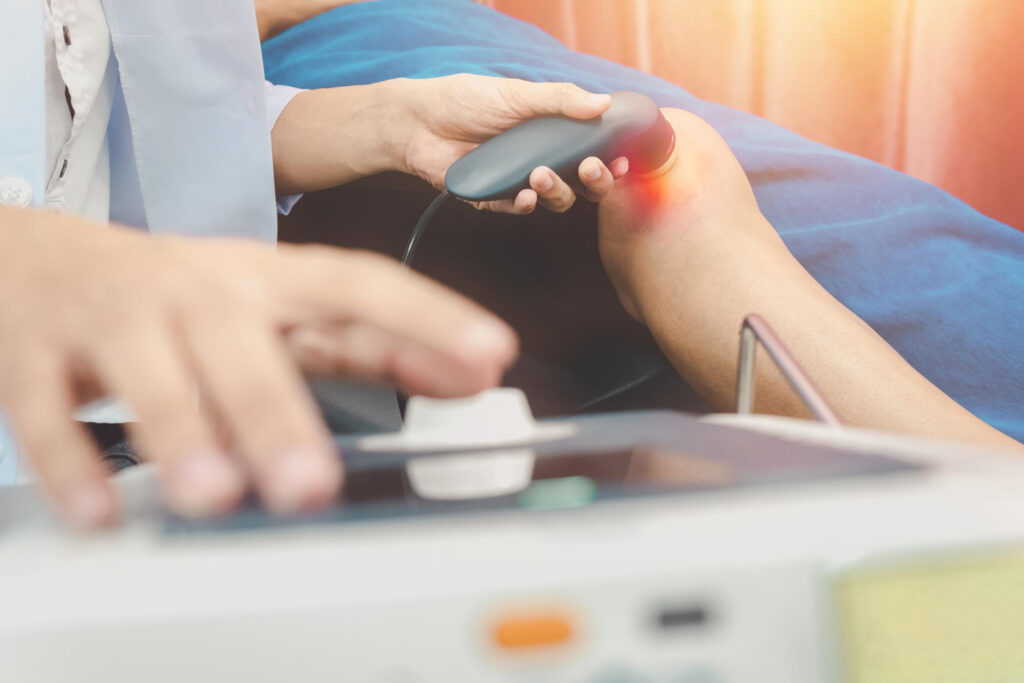
A venous reflux test uses Doppler ultrasound to show how blood moves through the veins in your legs. During the scan, a trained professional will:
- Apply a small amount of gel to your leg
- Use an ultrasound probe to check both deep and surface veins
- Look for any backward flow of blood
- Assess how well the vein valves are working
- Identify areas where blood may be pooling or causing pressure
These findings help determine how serious the vein issue is and whether additional treatment may be needed.
How Does This Test Help Diagnose Varicose Veins and Leg Swelling?
A venous reflux test offers a clearer picture of what’s happening beneath the surface, something a physical exam alone cannot show. It helps diagnose issues by identifying:
- Valve weakness: which can cause blood to pool
- Vein enlargement: often linked to visible varicose veins
- Flow or obstruction problems: which may lead to swelling
- Severity of reflux: indicating whether symptoms are mild or more advanced
- Underlying conditions: such as chronic venous insufficiency
With these insights, your care team can recommend appropriate options for symptom relief and long-term management.
Why Consider a Venous Reflux Test?
You may be advised to undergo the test if you have:
- Unexplained swelling in one or both legs
- Varicose veins that have recently appeared or worsened
- A feeling of heaviness or pressure in the legs
- Skin changes such as dryness, dark patches or irritation
- A past diagnosis related to venous disorders
- A family history of vein-related issues
Frequently Asked Questions (FAQs)
1. Is a venous reflux test painful?
No. The scan is non-invasive and painless. You may feel mild pressure from the ultrasound probe.
2. How long does the test take?
It usually takes 30–60 minutes, depending on how many veins are examined.
3. Do I need to prepare for the test?
No special preparation is needed, though you may be asked to avoid lotion on the day of the scan.
4. What happens after the test?
Your results will help your healthcare provider determine whether venous reflux is contributing to your symptoms and advise on the next steps.
Considering a Venous Reflux Test in Singapore?
If you’re experiencing ongoing leg swelling, visible veins, or discomfort that affects your daily activities, a venous reflux test can offer helpful insights into your vein health. At Dr. TTLIM Cardiology Clinic, patients can receive a thorough evaluation to better understand their symptoms and get appropriate guidance based on their condition.
If you’re concerned about varicose veins or leg swelling, you may consider scheduling a consultation to discuss your symptoms and whether this test may be suitable for you.