- +65 6737 9195
- +65 6737 9195
- appointment@cardiology-clinic.com
- Paragon #17-10 Lift Lobby F 290 Orchard Road Singapore 238859
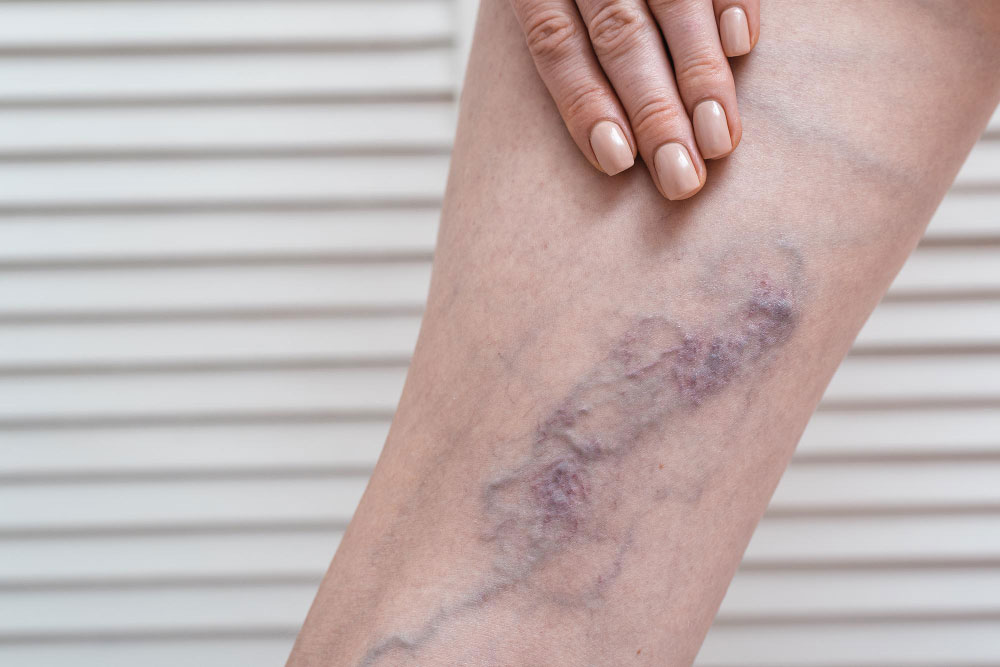
Vascular Screening
Vascular Screening
A vascular screening is a non-invasive set of tests used to evaluate blood flow in your arteries and veins.
It helps detect early signs of narrowing, blockages, or valve problems before symptoms appear.
At TTLim Heart Clinic, vascular screening is recommended for individuals with risk factors such as high blood pressure, diabetes, smoking, high cholesterol, or a family history of heart or vascular disease.
Why Is Vascular Screening Important?
Vascular diseases often develop silently. Reduced blood flow can affect the legs, neck arteries, or even the brain, increasing the risk of heart attack or stroke.
Early detection through vascular screening allows doctors to identify circulation problems and take preventive steps, such as lifestyle changes or treatment, to protect long-term cardiovascular health.
What Does a Vascular Screening Include?
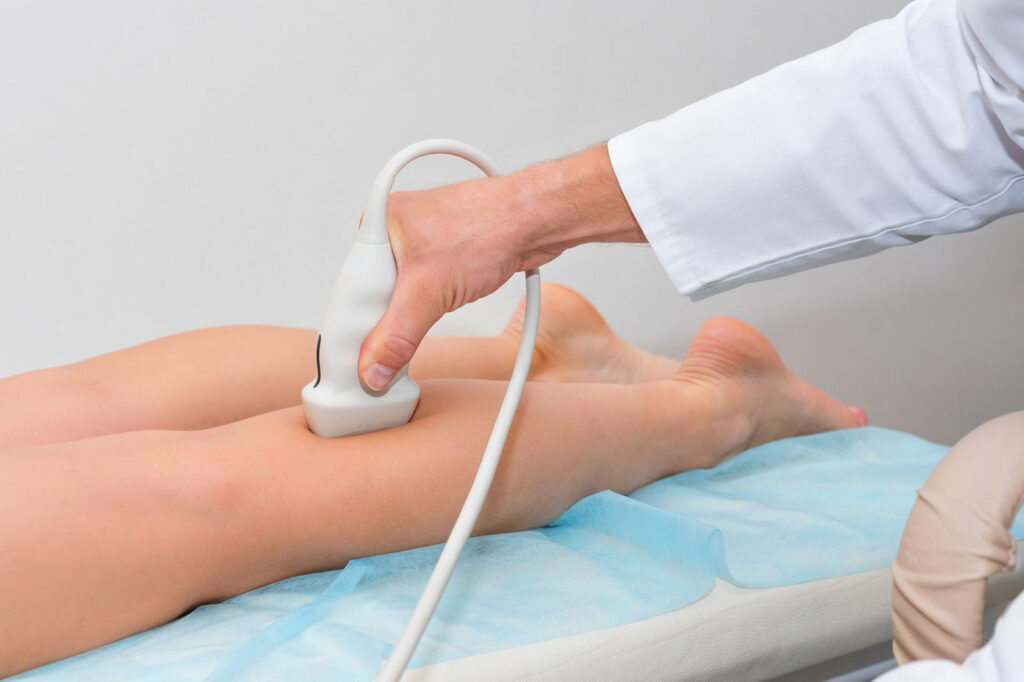
This ultrasound assesses the arteries and veins in your arms and legs to check for narrowing, blockages, or blood clots.
It helps detect conditions like Peripheral Artery Disease (PAD) and Deep Venous Thrombosis (DVT).
The test uses sound waves and involves no radiation, making it safe and comfortable.
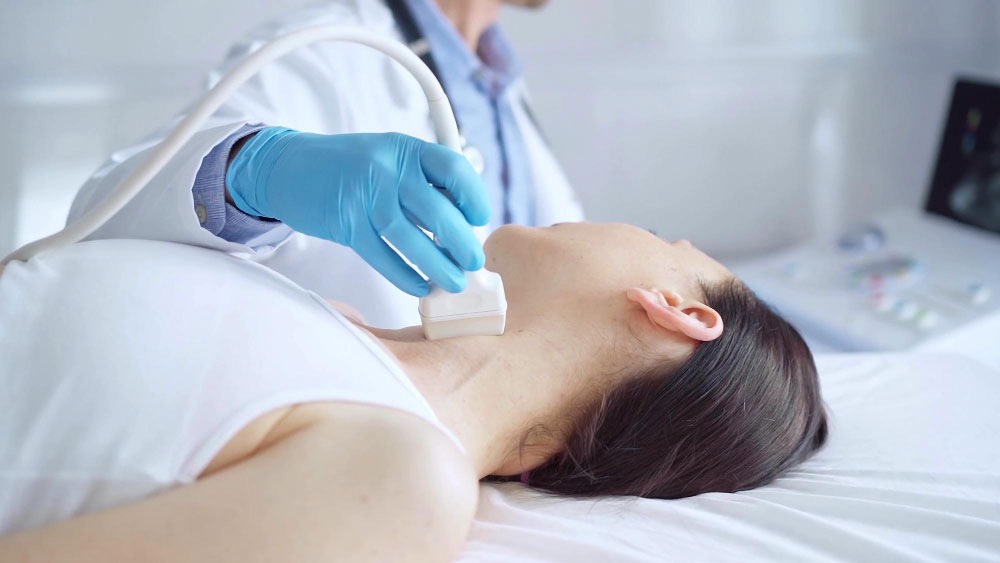
A carotid ultrasound examines the carotid arteries in your neck, which supply blood to the brain.
It detects plaque build-up (atherosclerosis) that may increase the risk of stroke.
Early identification allows for timely treatment and preventive measures to maintain healthy brain circulation.
This test checks how well the valves in your leg veins are working.
If these valves are weak or damaged, blood can flow backward and pool, a condition known as venous reflux, which can lead to varicose veins or chronic venous insufficiency.
The ultrasound helps guide treatment decisions such as compression therapy or minimally invasive vein procedures.
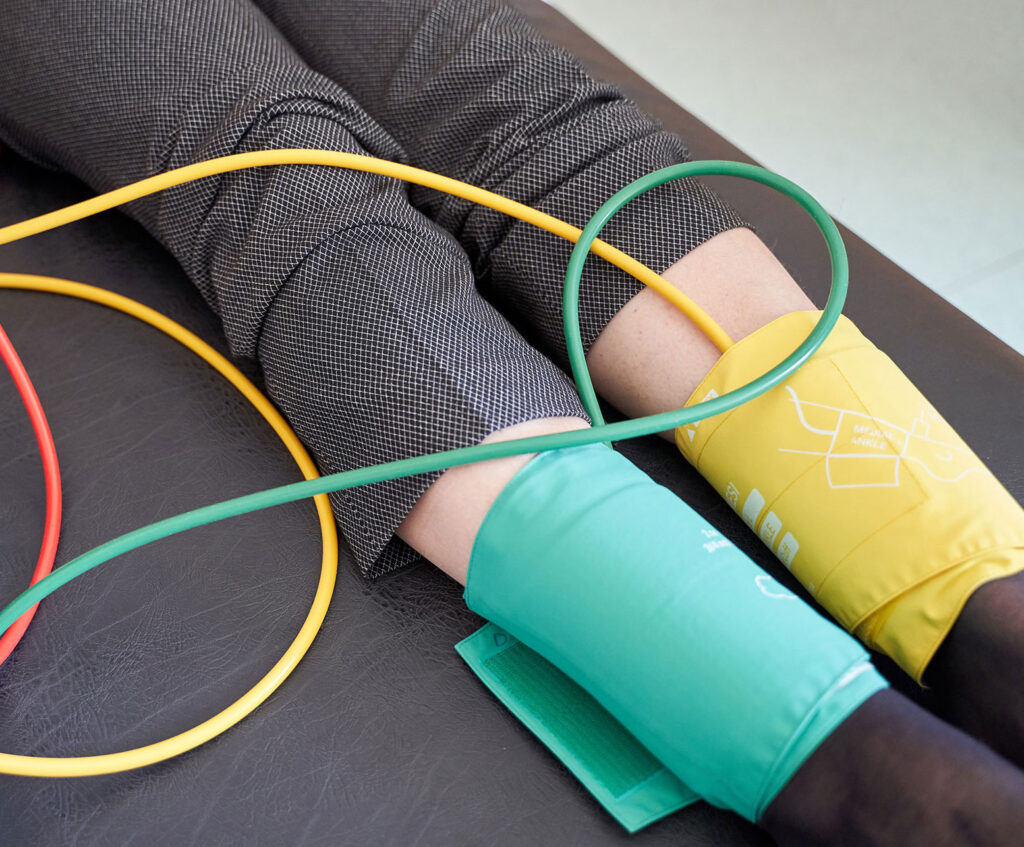
The ABI test compares blood pressure in your ankles with that in your arms to detect Peripheral Artery Disease.
A lower pressure reading in the legs suggests poor circulation or blocked arteries.
The test is quick, painless, and provides valuable insight into overall vascular health.
Who Should Consider Vascular Screening?
You may benefit from a vascular screening if you:
- Have diabetes, high blood pressure, or high cholesterol
- Are aged 50 or above
- Smoke or have smoked in the past
- Experience leg pain, swelling, or cramping during walking
- Have a family history of stroke or vascular disease
Your cardiologist can recommend which combination of tests best suits your health profile.
What Happens After the Screening?
If any abnormality is found, further evaluation may be advised.
Management could include lifestyle changes, medication, or interventional procedures to improve circulation and reduce cardiovascular risk.
Your doctor will discuss the results in detail and create a personalised plan to keep your heart and blood vessels healthy.
Frequently Asked Questions (FAQs)
1. Is vascular screening painful? No. All vascular screening tests are non-invasive and painless, using ultrasound or blood pressure measurements.
2. How long does the screening take? Most vascular screening sessions take 30–60 minutes, depending on the number of tests performed.
3. Do I need to prepare for the test? You may be asked to avoid caffeine or smoking before your appointment, as they can affect blood pressure readings.
4. Can vascular screening detect heart disease? While it focuses on the blood vessels, the results can reflect your overall cardiovascular health and help identify heart disease risk.
5. How often should I have vascular screening done? If you have existing risk factors, your cardiologist may recommend repeating the screening every 1–2 years to monitor changes.
Book a Vascular Screening in Singapore
If you have risk factors for cardiovascular disease or symptoms of poor circulation, early screening can make a significant difference.
At TTLim Heart Clinic, our cardiologists perform comprehensive vascular screening to detect early signs of arterial or venous disease and guide appropriate care.
- Paragon #17-10 Lift Lobby F, 290 Orchard Road, Singapore 238859