
What Is Radiofrequency Ablation (RFA)?
Radiofrequency Ablation (RFA) is a minimally invasive treatment used to close off faulty veins, typically in patients with varicose veins or chronic venous insufficiency (CVI).
It uses controlled heat energy delivered through a thin catheter to seal the affected vein, allowing blood to naturally reroute to healthier veins.
The procedure is safe, quick, and effective in relieving symptoms such as leg pain, swelling, and heaviness caused by poor vein function.
Why Is RFA Done?
Vein valves in the legs help push blood upward toward the heart. When these valves become weak or damaged, blood can flow backward, a condition known as venous reflux. This can cause:
- Enlarged or bulging varicose veins
- Swelling and aching in the legs
- Skin discolouration or thickening around the ankles
- Slow-healing wounds (venous ulcers)
RFA helps close off the problem vein, improving circulation and reducing symptoms while avoiding open surgery.
Who Should Consider Radiofrequency Ablation?
Your cardiologist or vascular specialist may recommend RFA if you:
- Have symptomatic varicose veins or chronic venous insufficiency
- Experience leg pain, heaviness, or swelling
- Have not responded well to conservative measures like compression stockings
- Are seeking a minimally invasive treatment with quick recovery
RFA is suitable for most patients and can be performed as a day procedure in clinic.
How Is the RFA Procedure Performed?
The procedure is done under local anaesthesia and usually takes about 30–45 minutes.
Step-by-step overview:
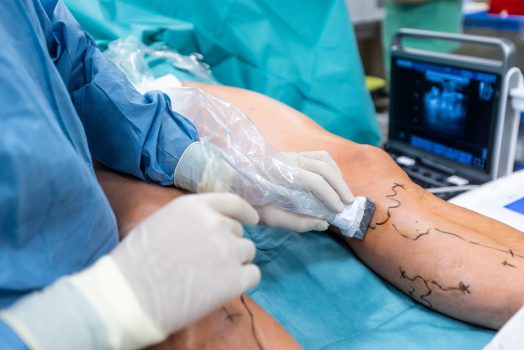
- The vein is located using ultrasound imaging.
- A thin catheter is inserted into the affected vein through a small puncture.
- The catheter delivers radiofrequency energy, heating the vein wall.
- The vein seals shut as the catheter is slowly withdrawn.
- Blood flow naturally redirects to healthy nearby veins.
Afterward, a small bandage or compression stocking is applied. No stitches are required.
Is Radiofrequency Ablation Painful?
No. The procedure is performed under local anaesthesia, so you should feel little to no pain. Some mild warmth or pressure may be felt as the vein closes, but discomfort is minimal.
What Can I Expect After the Procedure?
You can walk immediately after the procedure and return to normal activities the same day.
Your doctor may recommend:
- Wearing compression stockings for 1–2 weeks
- Avoiding long periods of standing or sitting for a few days
- Taking short walks daily to promote blood flow
Mild bruising or tightness along the treated vein may occur but usually resolves quickly.
nar dapibus leo.
What Are the Benefits of RFA?
- Minimally invasive: No incisions or stitches
- Quick recovery: Resume normal activity within 24 hours
- Effective: Relieves symptoms and reduces recurrence risk
- Aesthetic improvement: Treated veins gradually fade over time
RFA offers both medical and cosmetic benefits with excellent safety outcomes when performed by trained specialists.
Are There Any Risks?
Complications are rare. Possible side effects may include mild bruising, temporary numbness, or vein inflammation.
Your doctor will assess your suitability for RFA and guide you through post-procedure care to ensure a smooth recovery.
Frequently Asked Questions (FAQs)
1. How soon will I see results after RFA? Many patients notice improvement in leg discomfort within days. Visible veins gradually fade over several weeks.
2. Can varicose veins come back after RFA? Treated veins are permanently closed, but new varicose veins can form over time. Follow-up care and preventive habits help reduce recurrence.
3. Is RFA better than laser vein treatment? Both are effective. RFA typically causes less post-procedure discomfort and bruising for some patients.
4. Can I exercise after the procedure? Light walking is encouraged immediately. Avoid high-impact activities for about a week.
5. Is RFA covered by insurance in Singapore? Coverage depends on medical necessity and insurance provider. Your doctor can help assess eligibility for claims.