What Is a Venous Reflux Ultrasound?
A Venous Reflux Ultrasound is a non-invasive test used to assess how well the valves in your leg veins are working.
Healthy veins carry blood upward toward the heart with the help of one-way valves. When these valves weaken or fail, blood can flow backward, a condition known as venous reflux.
This test helps diagnose varicose veins and chronic venous insufficiency (CVI) by showing whether reflux is present and how severe it is.
Why Is a Venous Reflux Ultrasound Important?
Venous reflux often develops gradually and may not cause immediate symptoms. Over time, it can lead to:
- Swelling in the legs or ankles
- Aching, heaviness, or fatigue after standing
- Skin discolouration or thickening
- Slow-healing wounds near the ankles
Early detection through ultrasound allows for timely treatment before these symptoms worsen or lead to complications such as venous ulcers.
How Does a Venous Reflux Ultrasound Work?
The test uses high-frequency sound waves to create real-time images of your leg veins. It measures how blood flows through them and checks for backward flow.
During the test:
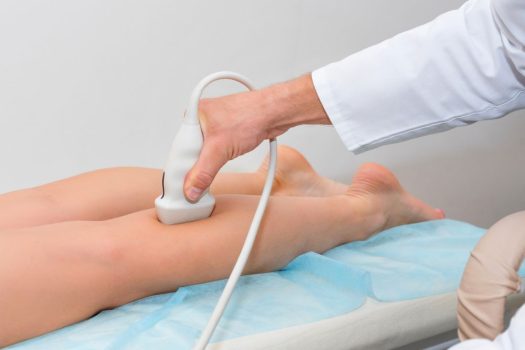
- You will lie on an examination bed with your leg slightly elevated.
- A small amount of gel is applied to the skin.
- A handheld probe (transducer) is moved along your leg to capture images of blood flow.
- The technologist may ask you to perform gentle leg movements or brief compressions to evaluate how valves respond to pressure.
The test typically takes 30–45 minutes and causes no discomfort.
What Can the Test Detect?
A venous reflux ultrasound helps your doctor identify:
- Faulty or leaking vein valves
- Areas of blood pooling in the lower legs
- Vein enlargement or wall thickening
- Blood clots (thrombosis) that may affect normal flow
These findings help determine whether conservative treatments like compression stockings are sufficient or if minimally invasive procedures are needed.
Who Should Have a Venous Reflux Ultrasound?
Your cardiologist or vascular specialist may recommend this test if you:
- Have visible varicose veins
- Experience leg swelling, heaviness, or pain
- Notice skin discolouration or ulcers on your legs
- Have had previous vein surgery or DVT
- Sit or stand for long periods due to work
The test is especially useful for planning appropriate treatment for venous disorders.
Is a Venous Reflux Ultrasound Safe?
Yes. The test is completely safe and uses sound waves, not radiation. It can be performed for both diagnostic and follow-up purposes without any risk or downtime.
What Happens After the Test?
Your doctor will review the ultrasound images to assess:
- Which veins are affected
- The severity of reflux
- Whether intervention is needed
Treatment options may include compression therapy, lifestyle adjustments, or minimally invasive procedures such as endovenous ablation or sclerotherapy to close faulty veins and restore healthy circulation.
Frequently Asked Questions (FAQs)
1. Is a venous reflux ultrasound painful? No. It is a comfortable, non-invasive test that uses sound waves to visualise blood flow.
2. How should I prepare for the test? No fasting is required. Wear loose clothing or shorts so your legs can be easily examined.
3. Can the test detect varicose veins even if they are not visible? Yes. It can reveal deeper vein reflux not visible on the surface.
4. What happens if reflux is found? Your doctor will discuss treatment options based on the severity, from compression stockings to minimally invasive procedures.
5. How long do the results take? Your cardiologist can usually review the findings with you immediately after the test.