What Is a Carotid Ultrasound?
A carotid ultrasound is a simple, painless imaging test that uses sound waves to examine the carotid arteries, the main blood vessels in your neck that supply oxygen-rich blood to the brain.
The test helps detect plaque build-up (atherosclerosis) or narrowing (stenosis) in these arteries, which may increase the risk of stroke.
At TTLim Heart Clinic, carotid ultrasound is part of routine vascular screening for patients with cardiovascular risk factors.
Why Is a Carotid Ultrasound Important?
Stroke often occurs when blood flow to part of the brain is suddenly blocked. Many strokes are linked to silent plaque build-up in the carotid arteries that causes no symptoms until it becomes severe.
A carotid ultrasound allows doctors to:
- Detect early plaque formation before it causes problems
- Measure the degree of artery narrowing
- Assess stroke risk and guide preventive treatment
- Monitor known carotid artery disease or post-procedure recovery
Who Should Have a Carotid Ultrasound?
You may be advised to undergo this test if you:
- Have high blood pressure, high cholesterol, or diabetes
- Are aged 50 or above
- Have a family history of stroke or heart disease
- Are a smoker or former smoker
- Experience dizziness, transient vision loss, or brief weakness in the limbs (possible mini-stroke or TIA)
Your cardiologist may also recommend this test as part of a comprehensive vascular or cardiac screening.
How Is a Carotid Ultrasound Performed?
The test is quick, safe, and non-invasive.
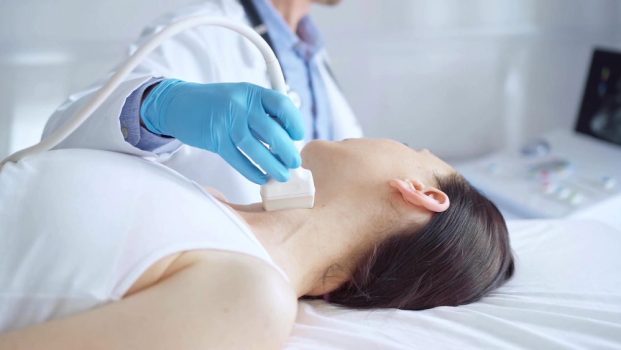
- You will lie on your back with your neck slightly tilted.
- A small amount of gel is applied to the skin.
- The technologist moves a handheld probe (transducer) along each side of your neck.
- The ultrasound waves create live images of blood flow in your carotid arteries on a screen.
The entire process usually takes 20–30 minutes, and no special preparation is required.
What Do the Results Mean?
Your cardiologist will assess:
- Blood flow speed through each carotid artery
- Presence and size of plaque deposits
- Degree of narrowing (stenosis)
- Risk of stroke or reduced brain circulation
If significant narrowing is found, your doctor may recommend medical therapy, lifestyle modification, or referral for further vascular evaluation.
Is a Carotid Ultrasound Safe?
Yes. The test is completely safe, it uses sound waves, not radiation. There are no side effects or downtime, and you can return to your normal routine immediately after.
How Can a Carotid Ultrasound Help Prevent Stroke?
By identifying plaque build-up early, your doctor can help you reduce stroke risk through:
- Blood pressure and cholesterol control
- Smoking cessation support
- Regular exercise and a balanced diet
- Medication to prevent further plaque accumulation or clot formation
Screening empowers patients to take preventive action before symptoms occur.
Frequently Asked Questions (FAQs)
1. Is a carotid ultrasound the same as a stroke scan? It is one of the main tests used to evaluate stroke risk by checking for narrowing in the carotid arteries.
2. How often should I get a carotid ultrasound? If you have risk factors, your doctor may recommend screening every 1–2 years to monitor changes.
3. Do I need to fast before the test? No fasting is needed. You may eat and take your usual medications before your appointment.
4. Can plaque build-up be reversed? Plaque cannot be completely removed without surgery, but lifestyle changes and medication can prevent further progression.
5. What happens if the test shows blockage? Your cardiologist will review the findings and discuss next steps, which may include medical therapy or referral for vascular intervention.