
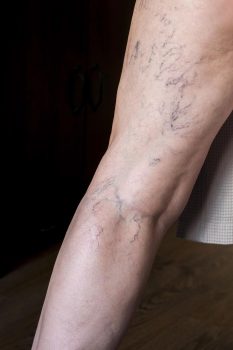
What Is Chronic Venous Insufficiency?
Chronic Venous Insufficiency (CVI) is a long-term condition where the veins in your legs have trouble sending blood back to the heart.
When the vein valves that normally keep blood flowing upward become weak or damaged, blood can pool in the lower limbs. Over time, this leads to swelling, skin discolouration, discomfort, and, in severe cases, venous ulcers.
CVI often develops gradually and may follow untreated varicose veins or deep venous thrombosis (DVT).
What Are the Symptoms of Chronic Venous Insufficiency?
The symptoms of CVI can range from mild discomfort to more persistent swelling and skin changes.
You may notice:
- Swelling in the ankles or lower legs, especially after standing
- Heaviness, aching, or tiredness in the legs
- Itchy, dry, or scaly skin
- Brownish or reddish skin discolouration near the ankles
- Varicose veins or visible enlarged veins
- Slow-healing wounds or ulcers on the lower legs
Symptoms often worsen throughout the day and may improve with leg elevation or rest.
What Causes Chronic Venous Insufficiency?
CVI occurs when vein walls or valves are weakened, allowing blood to leak backward and collect in the lower limbs, a process known as venous reflux.
Common causes and risk factors include:
- Previous deep venous thrombosis (DVT)
- Varicose veins
- Prolonged standing or sitting
- Obesity
- Pregnancy and hormonal changes
- Ageing
- Family history of venous disease
People who have experienced leg injury, surgery, or clotting disorders are also at higher risk.
How Do Doctors Diagnose CVI?
Diagnosis typically begins with a physical examination of your legs and a discussion of symptoms.
To assess vein function, your doctor may order a Doppler Ultrasound to evaluate blood flow and check for valve leakage or obstruction.
This test is quick, painless, and provides valuable information about the extent of venous insufficiency.
Is Chronic Venous Insufficiency Serious?
While early stages may only cause mild swelling or fatigue, untreated CVI can lead to long-term complications such as:
- Skin thickening and hardening (lipodermatosclerosis)
- Persistent leg ulcers
- Infections in poorly healing skin
- Reduced mobility due to pain or swelling
Timely diagnosis and treatment can help prevent these outcomes and improve quality of life.
How Is Chronic Venous Insufficiency Treated?
Treatment focuses on improving circulation, managing symptoms, and preventing ulcers or recurrence.
1. Lifestyle and self-care measures
- Elevate your legs when resting
- Avoid standing or sitting for long periods
- Maintain a healthy weight
- Engage in regular exercise (e.g., walking)
- Quit smoking, which can worsen circulation
2. Compression therapy
Wearing compression stockings helps promote upward blood flow and reduce swelling.
3. Medications
Your doctor may recommend medications to improve vein tone or manage associated symptoms like inflammation or pain.
4. Minimally invasive procedures
If reflux is severe, procedures such as endovenous laser therapy, radiofrequency ablation, or sclerotherapy can close faulty veins and restore healthier circulation pathways.
Can Chronic Venous Insufficiency Be Cured?
CVI cannot be completely reversed, but with proper treatment and lifestyle measures, symptoms can be controlled effectively, and complications can be prevented.
Regular follow-up ensures that any recurrence or new vein issues are managed early.
When Should You See a Cardiologist or Vascular Specialist?
You should seek medical advice if you notice:
- Persistent leg swelling or heaviness
- Skin discolouration or thickening
- Pain, itching, or open sores near the ankles
Early management can prevent progression and protect your long-term vein health.
Frequently Asked Questions (FAQs)
1. What’s the difference between varicose veins and chronic venous insufficiency? Varicose veins are a visible symptom of CVI. When the problem becomes more widespread and affects blood return to the heart, it’s known as chronic venous insufficiency.
2. Can CVI cause leg ulcers? Yes. Poor blood return increases pressure in the veins, which can lead to skin breakdown and slow-healing ulcers.
3. Do compression stockings really help? Yes. They are one of the most effective non-surgical ways to reduce swelling and support blood flow.
4. Can CVI be prevented? Regular movement, leg elevation, maintaining a healthy weight, and avoiding prolonged standing can lower your risk.
5. Is CVI common in Singapore? Yes. Prolonged sitting and standing, common in many office and service jobs, can increase the likelihood of developing venous problems over time.